Non-stick pan maintenance tips: tips to extend the life of the pan
Posted on March 1st, 2025the importance of non-stick pan maintenance
Non-stick cookware is an indispensable cooking tool in modern kitchens, loved by housewives and chefs for its easy cooking and convenient cleaning. However, the service life of non-stick cookware depends largely on daily maintenance. Correct maintenance can not only keep the pots and pans of non-stick performance, but also effectively extend its service life, to avoid frequent replacement of additional expenses. Therefore, it is important to know the maintenance tips of non-stick cookware.
Daily cleaning: correct cleaning method and tool selection
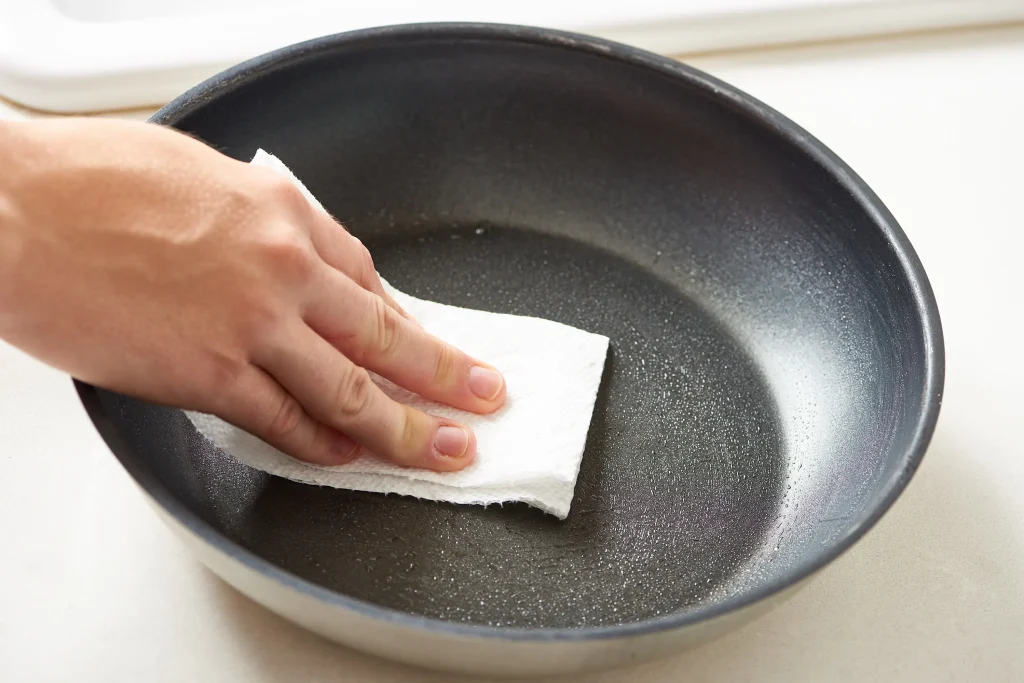
Immediate cleaning: After cooking, pots and pans should be cooled down and cleaned in a timely manner to avoid food residues adhering for a long time.
Mild cleaners: Use neutral or specialized pot cleaners, avoid cleaners with abrasive particles that may damage the non-stick coating.
Soft tools: When cleaning, choose a sponge or soft cloth, avoid using hard tools such as steel wire balls to avoid scratching the non-stick coating.
Thorough drying: After cleaning, make sure the pots and pans are thoroughly dry to prevent moisture residue from causing the coating to fall off.
Avoid scratching: Precautions during use
Wooden or silicone cookware: Use wooden or silicone cookware for stir-frying and avoid hard tools such as metal spatulas from directly touching the pan surface.
Avoid empty cooking: Do not heat the non-stick pan without food or water to avoid damaging the coating with high temperatures.
Even heating: When cooking, make sure the flame covers the bottom of the pan evenly to avoid localized overheating.
Temperature control: Optimal cooking temperature range for non-stick cookware
The non-stick coating of non-stick cookware is easily damaged at high temperatures, so controlling the cooking temperature is crucial. Generally speaking, the optimal cooking temperature for non-stick cookware should be controlled between medium and medium-low heat to avoid prolonged high-temperature heating. At the same time, be careful not to let the oil smoke, as smoke indicates that the oil temperature is already too high and may cause damage to the non-stick coating.
Storage Advice: How to properly store non-stick cookware to prolong its life
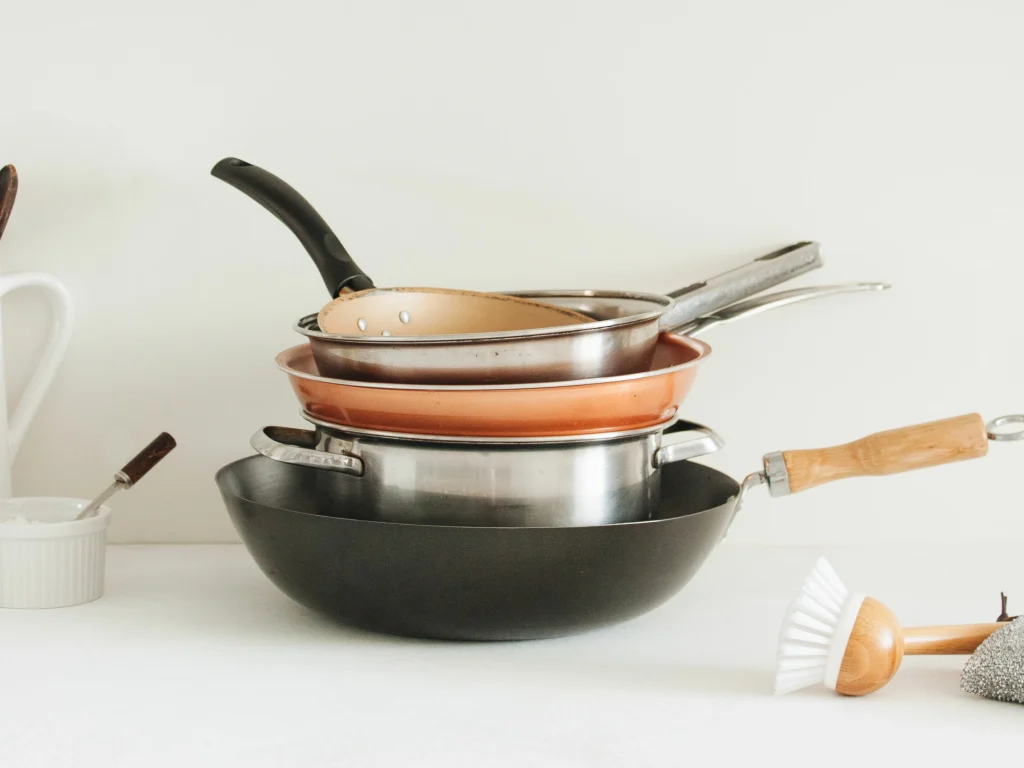
Dry storage: Non-stick cookware should be stored in a dry and ventilated place to avoid corrosion of the coating caused by humid environment.
Avoid stacking: Try not to stack other pots and pans on top of the non-stick cookware to avoid scratching the coating.
Use a pot rack: If space allows, use a special pot rack for storage, keep the bottom of the pots and pans ventilated, and avoid direct contact with the table.
Repair and Replacement: Suggestions on how to deal with damage to the non-stick coating
Minor Damage: For minor scratches or abrasions, you can continue to use the coating, but care should be taken to avoid further damage.
Serious Damage: If the non-stick coating appears to be peeling off in large areas or is severely worn, it is recommended to stop using the pan and replace it with a new one. Continuing to use a damaged non-stick pan not only affects cooking results, but also poses potential health risks.
Professional repair: Although there are few professional repair services for non-stick pans on the market, you can consult the manufacturer or a professional repair store to find out if there is a viable repair option.
Proper maintenance makes non-stick pans last as long as new!
Maintaining non-stick cookware is not a difficult task, and the key lies in daily care. With proper cleaning, avoiding scratches, controlling cooking temperatures, proper storage, and dealing with coating damage in a timely manner, we can greatly extend the life of a non-stick pan and make it last as long as it does. Remember, a well-maintained non-stick cookware not only makes cooking easier and more enjoyable, but also saves your family a lot of money. Let's start today, take care of every non-stick pan and enjoy healthy and efficient cooking.